
Issue Types
Understanding various issue types ensures a smoother User Acceptance Testing (UAT) process and helps prioritize feedback effectively
Table of Contents
During User Acceptance Testing (UAT), categorizing issues into issue types helps the team assess priority and impact, ensuring the project stays on track. Each issue type is considered and prioritized differently, so it’s important to categorize feedback accurately.
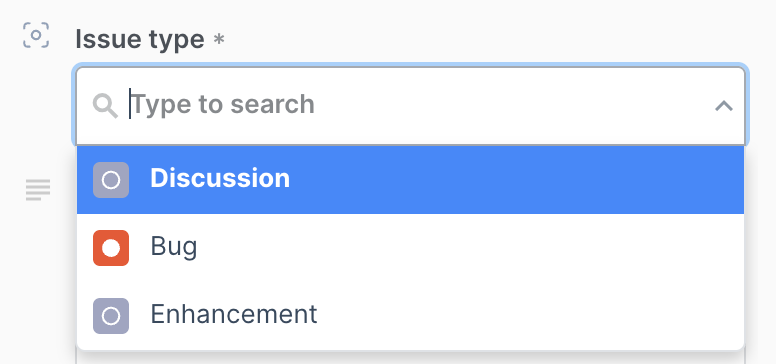
Bugs
A bug is a functional issue where something is broken or not working as originally intended.
A bug could be major, like a specific user role or permission doesn’t have the access as specified in the original requirements, or the global search function isn’t returning the expected results.
A bug can also be minor, like a layout issue that affects a small subset of users on an outdated browser.
Any functionality that is a blocker or high impact to the workflow should be considered a bug and addressed prior to launch.
If there are a large number of bugs, we will address the highest-impact issues first and may consider backlogging lower-impact items to conserve resources for more critical tasks.
Enhancements
An enhancement is a suggested improvement or change that was not part of the original requirements but might improve user experience.
During testing, you may find that a feature works as planned but, after seeing it in action, realize it could function more effectively with some adjustments.
If the change significantly impacts the user workflow, it may be classified as a new feature or scope expansion, making it a candidate for consideration in a future sprint after go-live.
To stay focused on launch goals, enhancements that are “nice to have” but do not disrupt core functionality are typically documented for future iterations to ensure a smooth and structured development process.
Discussions
Since UAT involves new functionality, and your team is getting up to speed with a new or updated system, questions about how things work are natural.
Ideally, the provided test cases will guide you through common scenarios. However, if you need further clarification, don’t hesitate to submit a question—we’re here to help.
We welcome questions as they indicate active learning and engagement. Our team prioritizes answering them promptly to keep testing moving forward smoothly.